MoneyGram Launches MGUSD Stablecoin on Stellar Network

MoneyGram Launches MGUSD Stablecoin on Stellar – Expands Digital Dollar Access for Remittance Users
Key Takeaways
- MoneyGram has launched MGUSD, a US dollar-pegged stablecoin built on the Stellar blockchain.
- MGUSD is issued in the United States and held in Fireblocks wallets before being routed to self-custodial wallets in the MoneyGram app.
- Bridge, a Stripe company, acts as the regulated issuer, while M0 manages minting and burning through smart contracts.
- The rollout leverages MoneyGram’s network of more than 60 million active customers and nearly 500,000 retail locations worldwide.
- The stablecoin is designed to provide dollar-denominated balances for cross-border transfers and digital financial services.
MoneyGram Introduces a Native Dollar Stablecoin on Stellar
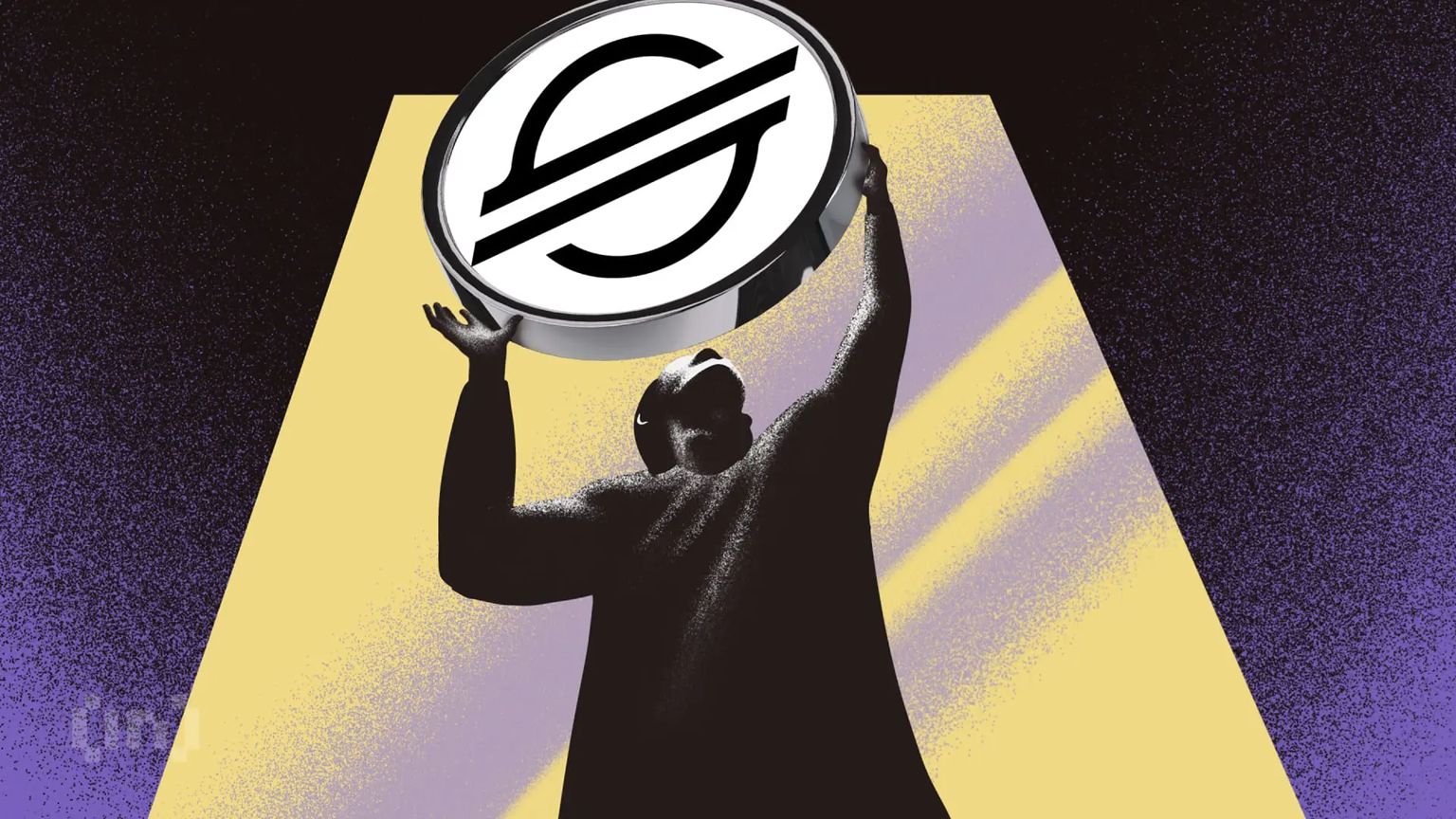
MoneyGram has officially introduced MGUSD, a dollar-pegged stablecoin issued natively on the Stellar blockchain. The token is designed to maintain a one-to-one peg with the US dollar and is issued directly by a regulated entity. The launch begins in the United States market, with plans to expand globally.
MGUSD is integrated into the existing MoneyGram app. According to the company, customers can hold a dollar-denominated balance within the same application they already use for remittances and transfers. The stablecoin operates on Stellar, a blockchain network used for digital asset issuance and payments.
By launching its own stablecoin rather than relying on third-party tokens, MoneyGram places the digital dollar component directly within its existing infrastructure. The company describes the token as a foundation for cross-border payments, digital balances, and additional financial services.
Issuance and Infrastructure: Bridge, M0, and Fireblocks
The issuance and technical setup involve several partners. Bridge, a Stripe company, acts as the regulated issuer of MGUSD. The arrangement is described as GENIUS Act-ready, indicating alignment with a regulatory framework referenced by the company.
M0 provides the smart contract infrastructure that manages minting and burning operations on the Stellar blockchain at launch. Minting refers to the creation of new tokens when users deposit funds, while burning removes tokens from circulation when funds are redeemed. These processes are essential for maintaining the one-to-one dollar peg.
MoneyGram holds MGUSD in Fireblocks wallets. From there, the tokens are routed to self-custodial wallets embedded directly in the MoneyGram app. This structure means users interact with digital balances within the app environment, while the underlying custody and token management rely on Fireblocks and blockchain-based infrastructure.
Distribution Through an Established Global Network
MoneyGram states that it serves more than 60 million active customers and operates through nearly 500,000 retail locations worldwide. Over 70 percent of its transactions are already digital. This existing distribution network forms the initial base for MGUSD adoption.
The company positions the stablecoin as part of a broader digital transformation strategy. Instead of presenting the token as a standalone crypto asset, MoneyGram frames MGUSD as a tool embedded within its remittance and payment services.
According to the company, the primary target group is not crypto-native users. MGUSD is aimed at families sending money across borders and individuals facing inflation, currency instability, or limited access to traditional banking services. By offering a dollar-denominated balance, the company provides users with the option to hold value in US dollars within the app.
Users can move funds globally and convert them into local currency when needed. The service is designed to function continuously, allowing transfers and access at any time through a mobile device.
Role of Stellar in the Five-Year Partnership
The rollout builds on a five-year collaboration between MoneyGram and the Stellar Development Foundation. Stellar Development Foundation CEO Denelle Dixon described MGUSD as the next milestone in that partnership.
The collaboration has focused on expanding financial access, particularly in emerging markets. By issuing MGUSD natively on Stellar, MoneyGram uses the blockchain network as the settlement layer for its digital dollar balances. This approach links blockchain-based token issuance with an established remittance infrastructure.
Stellar supports the issuance and transfer of digital assets. In this case, it serves as the underlying network for MGUSD transactions, including minting, burning, and transfers between wallets.
Implications for Cross-Border Payments and Digital Balances
MoneyGram CEO Anthony Soohoo described the launch as a different approach to stablecoins. Rather than focusing solely on the asset, the company presents MGUSD as a foundation for future applications within its global network.
The stablecoin allows users to hold a dollar balance directly within the MoneyGram app. They can transfer funds across borders and convert to local currencies on demand. The system combines retail locations, digital channels, and blockchain-based settlement.
For users evaluating crypto-enabled payment options, the launch illustrates how established remittance providers are integrating stablecoins into mainstream financial services. MGUSD operates within a regulated issuance framework and connects to self-custodial wallets inside a widely used consumer app.
Our Assessment
MoneyGram’s launch of MGUSD represents the introduction of a company-issued, dollar-pegged stablecoin integrated into its existing remittance network. The structure combines regulated issuance through Bridge, blockchain infrastructure on Stellar, and wallet management via Fireblocks and in-app self-custody. With more than 60 million active customers and a predominantly digital transaction base, the company is embedding stablecoin functionality directly into its cross-border payment services. The development links traditional remittance operations with blockchain-based digital dollar balances within a single application environment.