
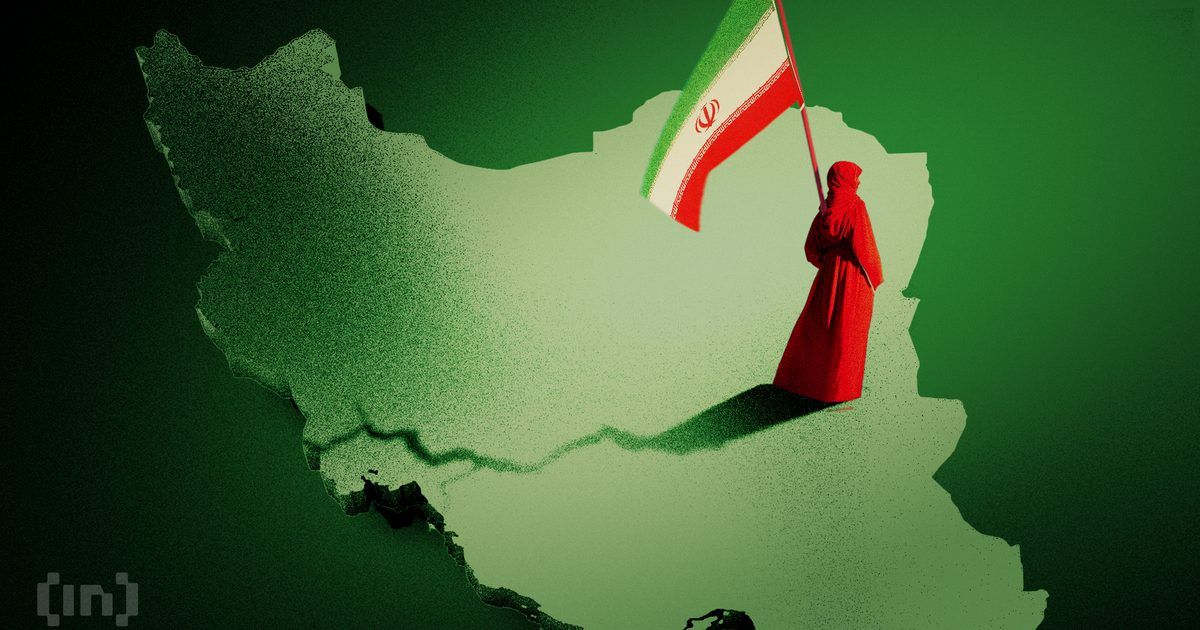
US Freezes $130M in Iran-Linked Crypto Wallets

US Treasury Freezes $130 Million in Crypto Linked to Iran Central Bank – Sanctions Expand Financial and Military Pressure
Key Takeaways
- The US Treasury froze more than $130 million in cryptocurrency linked to the Central Bank of Iran.
- The Office of Foreign Assets Control sanctioned multiple crypto wallets tied to the Iranian central bank.
- The action follows a separate $344 million freeze in April involving two wallets and support from Tether.
- More than 50 individuals, entities, and vessels connected to Mohammad Hossein Shamkhani’s network were also sanctioned.
- The measures coincide with renewed US naval operations and airstrikes targeting Iranian capabilities in the region.
US Treasury Freezes Crypto Wallets Linked to Iran’s Central Bank
The US Treasury has frozen more than $130 million in cryptocurrency connected to the Central Bank of Iran. The action was carried out by the Office of Foreign Assets Control, which sanctioned multiple digital wallets tied to the Iranian central bank.
Treasury Secretary Scott Bessent announced the measure in a public statement on X. He described the freeze as part of a broader effort to counter what he called Iran’s abuse of digital assets. According to Bessent, the US government will continue to follow financial flows and seek to deny the Iranian regime access to proceeds from illicit revenue schemes.
The freeze specifically targets cryptocurrency holdings linked to the Central Bank of Iran. No further technical details about the wallets or the specific digital assets involved were disclosed in the announcement.
Earlier $344 Million Crypto Freeze Involved Tether
The latest action follows a separate measure taken in April. At that time, stablecoin issuer Tether assisted the US government in blocking $344 million in cryptocurrency spread across two wallets.
A US official linked the earlier freeze to Iranian state actors. The April action and the current $130 million freeze both focus on restricting digital asset channels allegedly used by entities connected to Iran.
The involvement of a stablecoin issuer in the earlier case highlights that US authorities can work with private sector participants when enforcing sanctions in the crypto sector. In the present case, the Treasury did not specify whether additional private companies were involved in executing the wallet freeze.
Sanctions Target Shamkhani Network and Oil Export Infrastructure
The cryptocurrency freeze was part of a broader sanctions package announced by the Treasury. The Office of Foreign Assets Control designated more than 50 individuals, entities, and vessels connected to a network operated by Mohammad Hossein Shamkhani.
According to the Treasury, the Shamkhani network plays a central role in Iran’s oil exports. The department described it as one of the regime’s most profitable financial structures and stated that it was built on deception.
Treasury officials said they have now sanctioned more than 200 people and entities associated with this network under its patronage. The new designations were issued under Executive Order 13902, which targets key sectors of Iran’s economy.
By combining wallet sanctions with designations against individuals, shipping entities, and vessels, the Treasury expanded its enforcement actions beyond digital assets to include physical trade infrastructure.
Sanctions Coincide With Renewed Military Pressure
The financial measures were announced as military pressure on Iran increased. US Central Command resumed a naval blockade of Iranian ports, with the operation taking effect at 4 p.m. ET on the same day.
According to CENTCOM, more than 20 US Navy warships and hundreds of aircraft are currently operating across the Middle East. Earlier in the day, US forces launched additional strikes aimed at degrading Iranian capabilities used to attack commercial shipping in the Strait of Hormuz.
The timing places the crypto freeze within a wider campaign that combines financial sanctions with military operations. The Treasury’s announcement and the CENTCOM update were made within the same broader context of measures targeting Iranian state-linked activities.
Implications for Crypto Users and Platforms
The freeze of more than $130 million in cryptocurrency underscores that digital wallets can be directly targeted under US sanctions policy. The Office of Foreign Assets Control has the authority to designate specific blockchain addresses, which can restrict access to funds held in those wallets.
For crypto users and platforms, the action illustrates how sanctions enforcement extends to digital asset infrastructure. When wallets are sanctioned, counterparties that interact with them may also face compliance risks under US regulations.
The earlier April case involving Tether further shows that stablecoin issuers and other service providers can play a role in implementing asset freezes. While the Treasury did not provide operational details in the current announcement, the pattern indicates that cooperation between authorities and private sector actors can be part of sanctions enforcement in the crypto ecosystem.
Our Assessment
The US Treasury’s freeze of more than $130 million in cryptocurrency linked to the Central Bank of Iran forms part of a broader sanctions package targeting financial and shipping networks associated with Mohammad Hossein Shamkhani. The measure follows a previous $344 million crypto freeze in April and coincides with renewed US naval operations and airstrikes in the region. Together, the actions show that US sanctions policy currently combines digital asset enforcement with wider economic and military measures aimed at Iranian state-linked activities.