EU Sanctions Target 11 Crypto Platforms, Tightening Access for Russian Users

EU Adopts 21st Sanctions Package Targeting Crypto Platforms – Russian Users Face Stricter Access and Higher Compliance Barriers
Key Takeaways
- The European Union has adopted its 21st sanctions package against Russia, targeting 11 crypto platforms and 94 Russian banks, as well as the Moscow Exchange.
- EU officials have not named the affected crypto platforms, most of which are reportedly located outside Russia.
- Bitcoin and other cryptocurrencies remain legal to own and trade, but access through major exchanges is expected to become more restrictive.
- Accounts linked to sanctioned entities or ruble-linked tokens such as A7A5 have already been frozen on some platforms.
EU Expands Sanctions to Crypto Platforms Outside Russia
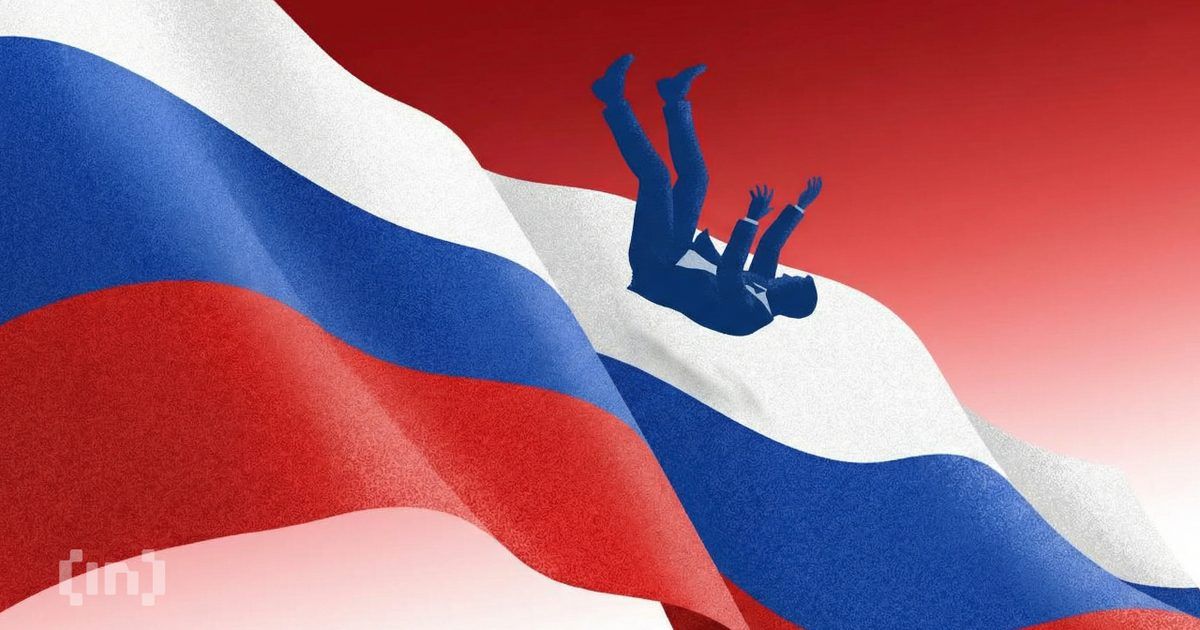
The European Union has agreed on a new round of sanctions against Russia that directly affects parts of the crypto sector. The measures were adopted on Thursday as part of the bloc’s 21st sanctions package.
According to the information provided, the package targets 11 crypto platforms. EU officials have not disclosed the names of these platforms. Most of them are reportedly based outside Russia. In addition, 94 Russian banks and the Moscow Exchange are fully sanctioned under the new framework.
For the first time, the EU has created a mechanism that allows it to ban crypto services in entire countries outside the European Union. These jurisdictions are described as locations that Russian users and businesses often turn to after domestic or regional platforms are restricted.
Kaja Kallas, EU High Representative for Foreign Affairs and Security Policy, stated that the sanctions are designed to target Russia’s financial system, military industrial complex, and energy sector. She described the measures as an effort to limit the financial channels that support Russia’s war economy.
Why Crypto Remains in Focus of EU Enforcement
The EU’s evolving approach reflects earlier enforcement challenges. When authorities sanctioned individual platforms, new entities reportedly emerged to replace them.
One example cited is Garantex, a Russian crypto exchange sanctioned by the United States in 2022 and later by the EU in early 2025. In March 2025, police seized its website and froze more than 26 million US dollars. Within days, the team relaunched operations under a similar name, Grinex.
In response to such developments, the EU broadened its scope in May by banning Russia’s entire crypto sector. Scale has also played a role in regulatory attention. According to analytics firm Elliptic, a ruble-linked coin called A7A5 moved more than 100 billion US dollars in a single year.
The new sanctions package expands this approach further by addressing platforms and service providers beyond Russian territory. Nadezhda Surova, a member of the Expert Council for Digital Economy of the Russian Federation, noted that the practical impact will depend on how broadly the EU defines the term crypto operators.
What Changes for Russian Crypto Users
Cryptocurrency ownership itself remains legal. Bitcoin and other digital assets are not banned under the EU measures. Users can continue to hold coins, and assets stored in self-custodied wallets are not directly affected by the sanctions.
The main impact concerns access to services. Large exchanges operating in or serving the EU must comply with the bloc’s crypto regulatory framework, known as MiCA. Under these rules, platforms are required to verify the origin of funds and block individuals or entities linked to sanctions.
Some users have already experienced account freezes after deposits were traced back to A7A5. The new package is expected to increase similar compliance actions. Reports indicate that fees may rise, transaction processing may slow down, and certain coins may be delisted as platforms reduce risk exposure.
Earlier sanctions rounds have already left some Russian crypto assets inaccessible on specific exchanges. Nikolai Zagvozdkin, product development director for crypto at RBC, stated that working with crypto will become more expensive, slower, and less transparent for everyday users.
For users of international crypto platforms, including those who rely on digital assets for payments or cross border transfers, the changes mean stricter onboarding procedures and a higher likelihood of enhanced due diligence checks.
Russia Develops Domestic Alternatives Under New Crypto Law
In parallel, Russia is building domestic infrastructure to reduce reliance on foreign platforms. The country now permits the use of crypto for foreign trade and is setting up licensed exchanges under a new crypto law.
According to Alexey Zyuzin, CEO of the Institute for the Development of the Crypto Industry, the market may split into two segments. One would be a regulated domestic market under Russian oversight. The other would consist of a cross border segment where sanctions and technological risks remain elevated.
Such a division would separate locally supervised activity from international transactions exposed to enforcement actions by the EU and other jurisdictions.
Implications for International Platform Users
For users of global crypto services, including those evaluating platforms for payments or online services, the sanctions underline the importance of compliance checks and transaction monitoring.
Platforms subject to EU regulation must identify sanctioned entities and restrict related activity. Transactions connected to sanctioned banks, exchanges, or tokens can lead to account reviews or freezes. Users with links to affected financial institutions may face additional verification requirements.
Although cryptocurrencies remain legal assets, the operational environment for Russian linked activity is tightening. Access now depends not only on technology but also on regulatory alignment with EU rules.
Our Assessment
The EU’s 21st sanctions package extends enforcement beyond Russian borders by targeting 11 crypto platforms and enabling broader restrictions on foreign service providers. Bitcoin and other cryptocurrencies remain legal, but access through regulated exchanges is becoming more restricted for users connected to sanctioned entities. Account freezes linked to ruble-pegged tokens and sanctioned institutions have already occurred. At the same time, Russia is expanding its domestic crypto framework, which may lead to a more segmented market structure between regulated local platforms and higher risk cross border channels.