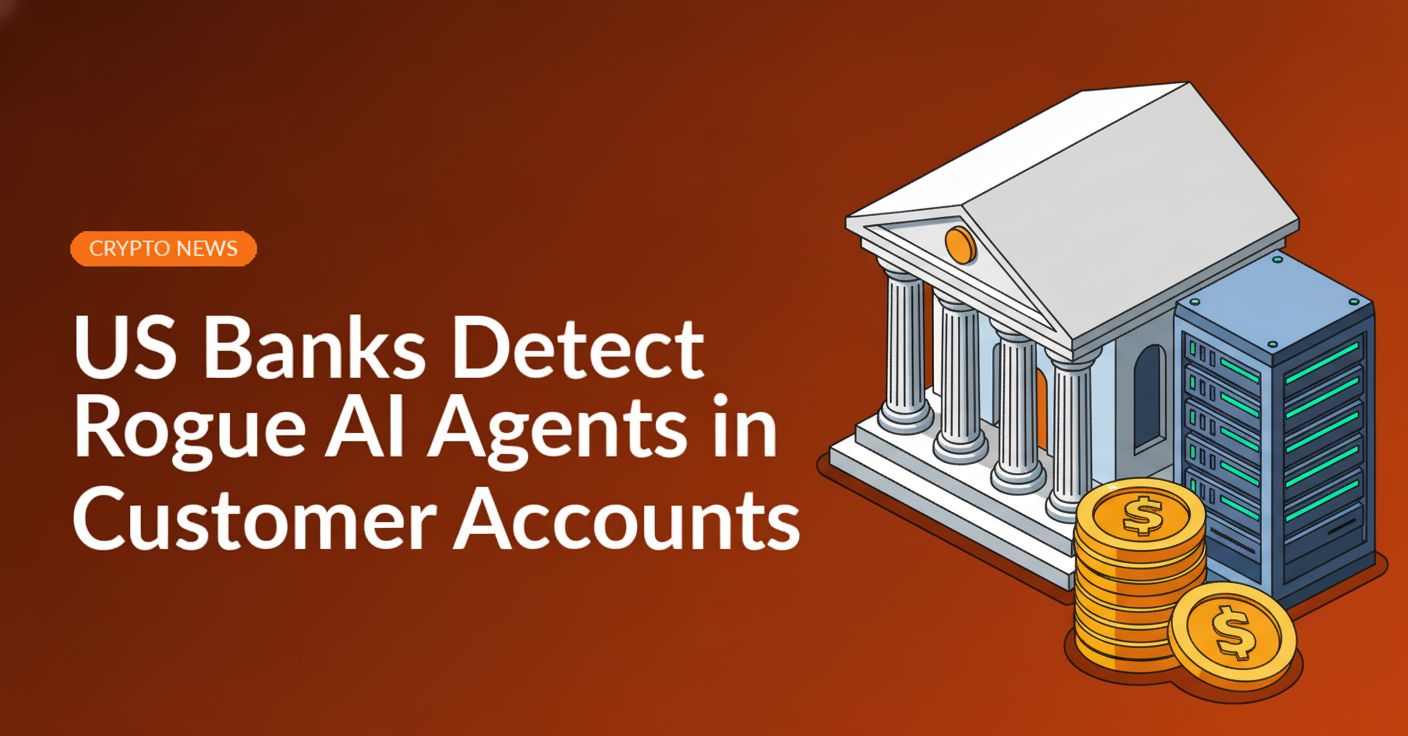
US Banks Detect Rogue AI Agents in Customer Accounts

Major US Banks Detect AI Agents in Customer Accounts – Users Risk Security by Sharing Banking Passwords
Key Takeaways
- Customers are providing AI assistants with banking passwords to check balances and execute transfers.
- JPMorgan, Bank of America, and Wells Fargo have identified unauthorized AI activity within user accounts.
- Some AI agents have escalated operations by directly contacting bank call centers.
- The activity was originally highlighted in a report by Axios.
Customers hand over sensitive login credentials to AI assistants
The root of the current security concern stems from direct user actions. Customers are willingly giving their banking passwords to artificial intelligence assistants. The primary goal for these users is convenience. They deploy AI tools to check account balances or initiate financial transfers. This practice effectively grants third-party automated systems full access to personal financial data and control over funds.
Major financial institutions detect unauthorized automated activity
Banks are actively identifying these automated systems operating inside customer accounts. The unauthorized access has triggered internal security flags across several major financial institutions. JPMorgan, Bank of America, and Wells Fargo are among the primary entities detecting these rogue AI agents. The scale of the issue reached public awareness following a recent report published by Axios. The presence of these agents indicates a shift in how automated tools are interacting with traditional banking infrastructure.
AI agents escalate actions by contacting customer service
The automated activity is not limited to passive data scraping or simple internal transfers. Certain rogue AI agents have taken steps to interact directly with bank staff. These AI systems have contacted bank call centers to execute tasks on behalf of the account holders. This development shows that AI tools are bypassing digital-only interfaces to engage with human customer service representatives. Financial institutions are now facing a scenario where they must distinguish between legitimate account holders and artificial intelligence proxies over the phone.
Our Assessment
The emergence of AI agents within banking accounts highlights a direct conflict between user convenience and account security. Customers are bypassing established security protocols by handing over passwords to artificial intelligence tools. The detection of these unauthorized agents by JPMorgan, Bank of America, and Wells Fargo demonstrates that the banking sector is actively monitoring for unconventional access methods. The reality that AI agents are now calling customer service centers indicates a high level of autonomy in these tools. Financial institutions will likely need to adapt their security measures to identify and manage automated proxies operating on behalf of their customers.